


What is Otoplasty?
Otoplasty is a surgery to correct ear deformities. It includes the treatment of protruding ears and the correction of earlobe tears caused by earrings.
This technique is recommended for those who have anatomical defects in the structure of the ear, related to shape, proportion or position.
It is a quick and effective procedure to correct a birth defect that persists throughout life.

What are Protruding Ears?
Protruding ears, more or less prominent, are a malformation that affects around 51% of the world's population.
As a rule, there is a genetic predisposition.
This condition can affect only one ear (unilateral) or be a defect in both ears (bilateral).
Although protruding ears are not aesthetically pleasing, this anatomical feature is not associated with any hearing problems.
At birth, it's difficult to tell if your baby has protruding or asymmetrical ears. In some cases, these anatomical defects only become more evident after a few years.
Otoplasty - Before and After
Many people live years and years ashamed of their ears before making a decision.
After ear correction, patients feel like they should have had surgery sooner.
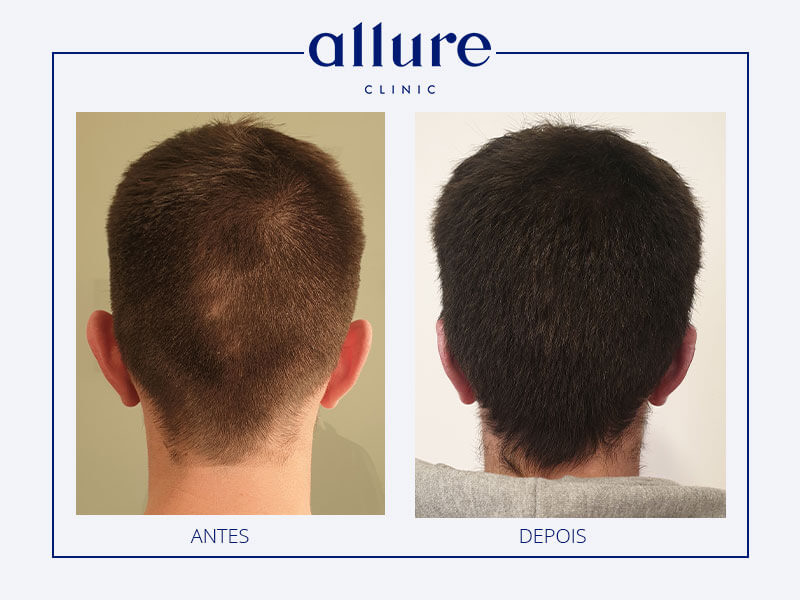
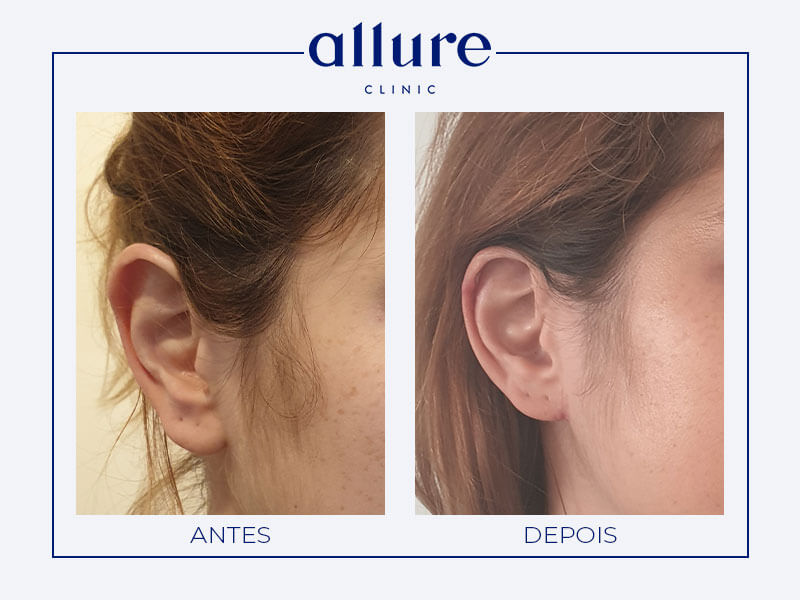
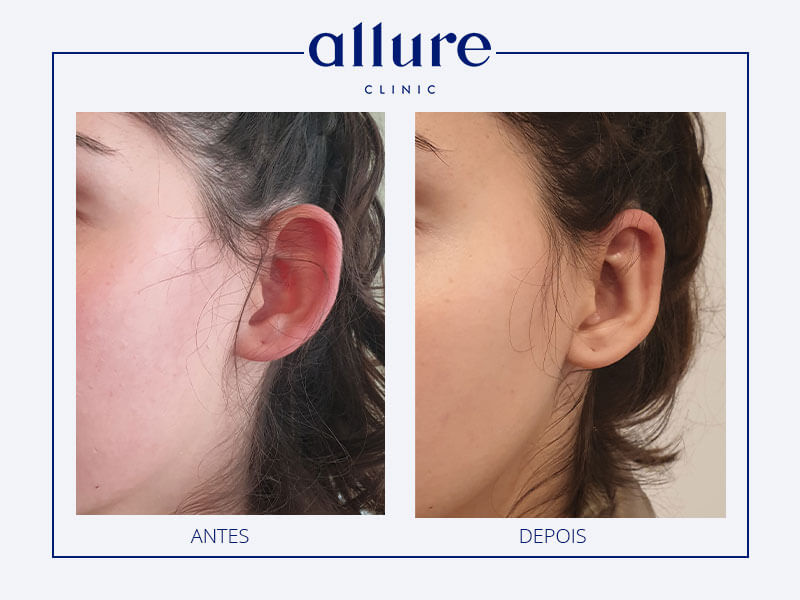
See the before and after photos of otoplasty cases. Notice how corrective surgery restores balance to the face.
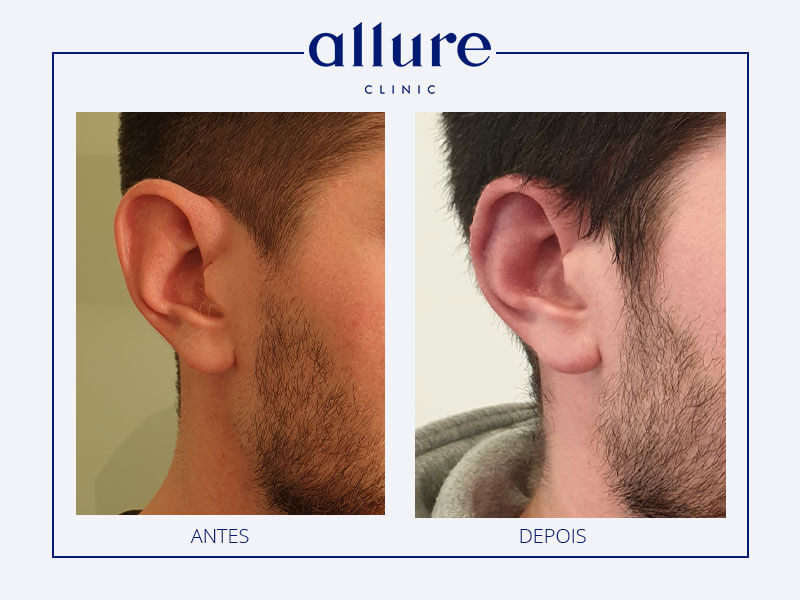
Bilateral otoplasty
- Anesthesia: local
- No hospitalization
- Surgery duration: 1h15
- Photography – 1 month post-operative
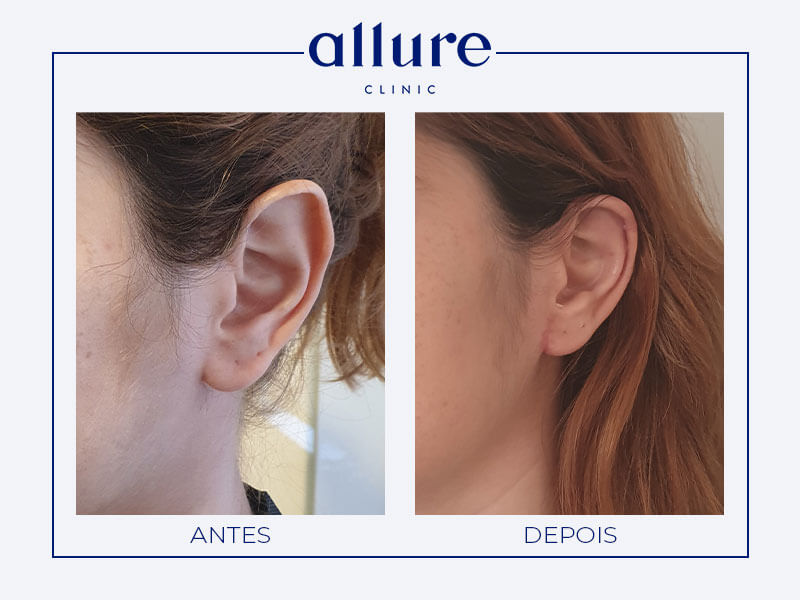
Size reduction
Reducing the size of the ears restores balance to the face.
Winged ears
- Anesthesia: local
- No hospitalization
- Duration of surgery: 1h
- Photograph 2 months postoperatively
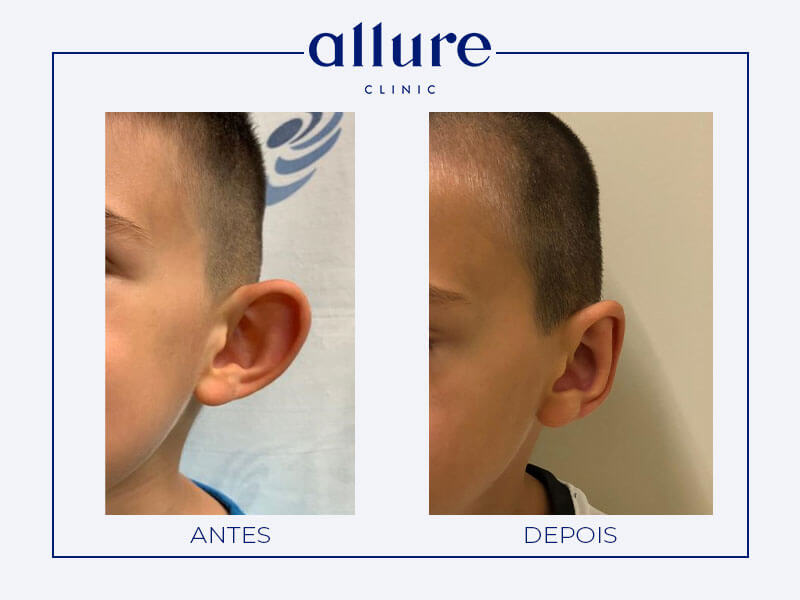
Winged ears
Protruding or “detached” ears are a deformation that causes the ear to be set away from the head.
Treatment
Indications for Adults
All adults with this problem are indicated for surgical intervention.
The plastic surgery specialist carries out an initial consultation to:
- Measure the degree of deformation of the ears;
- Establish an accurate diagnosis;
- Assess the patient's general health status;
- Understand and discuss the patient's motivations;
- Decide on the type of anesthesia.
It is very important that you ask any questions you may have and share your expectations regarding the results with the surgeon.
Indications for Children
If you are the parent of a child with protruding ears, know that only surgery can correct this deformity.
Up to 6 months, it's possible to use molds to help correct the malformation. After this period, there's no point in forcing the ear to reposition.
Surgical correction in children can be considered from the age of 5, once the ear has already reached 80% development. It is from the age of 6 that a person's aesthetic perception of self-perception develops, so correction at the age of 5 often prevents self-esteem issues.
Plus, it's the time they start school. Corrective surgery can prevent embarrassment.
Procedure
Flap Ears
40 to 60 minutes;
Local or general anesthesia;
The incision is made behind the ear, leaving an inconspicuous scar.
Tears of the Lobes
20 minutes;
Local or general anesthesia;
There is always the presence of a small scar that can be disguised over time.
Postoperative
Correction of protruding ears
Stitches are removed between 10 days to two weeks.
It is necessary to use protective tape for two weeks during the day and for a month and a half at night.
Earlobe correction
The stitches are removed after 10 days.
It is recommended to use a spring earring after removing the stitches for a period of 2 months.
You can get your ears pierced again 3 months after surgery, as long as the piercing is not done over the scar.
Medical Specialist
in Otoplasty
Dr. Carolina Andresen
- Graduate in Medicine and Surgery with specific training in Plastic Reconstructive and Aesthetic Surgery
- Attended 42 national and international courses and meetings in the field of Plastic Surgery
- Awarded 6 scientific merit awards






 English (UK)