



Physiotherapy and Lipedema
In the treatment of Lipedema, physiotherapy acts in two distinct moments: in conservative treatment and in surgical treatment.
The therapeutic objectives of conservative treatment (or preparatory to surgery) should be directed towards:
- pain reduction;
- improving skin mobility;
- the management of changes associated with cellulite (FEG) and obesity;
- the prevention of secondary articulation problems;
- minimizing the impact on the ability to carry out activities;
- improving the appearance of the limbs;
- the promotion of self-care.
Lipedema: how to treat
In this way, physiotherapy uses some specific techniques for the conservative treatment of Lipedema.
Treatment consists of a set of therapies indicated for the management of residual edema. It includes manual lymphatic drainage (MLD), compression and containment therapy using clothing, compression stockings, bandages, or pressure therapy, postural care and specific exercises, as well as skin care.
To minimize the feeling of heaviness in the lower limbs, we can use the Kinesio Taping to perform lymphatic drainage, which aids in treatment.


The benefits of physiotherapy in the treatment of Lipedema
Patients often report the benefits of relaxation and confirm an improvement in their quality of life.
Thus, conservative treatment can be interpreted as: lifestyle changes, physiotherapy treatment (TFC and DLM), pressotherapy, electrotherapy and skin care.
Subsequently, the patient is referred for surgical treatment with greater safety and excellent postoperative results.
THE Lipedema It is a physical state that alters and conditions the entire quality of life of patients.
Therefore, physiotherapy is evolving in the conservative and post-operative treatment of this disease and, with the intervention of all professionals in the multidisciplinary team, it can treat and alleviate the discomfort caused by Lipedema .
Specialist
in Physiotherapy and Lipedema
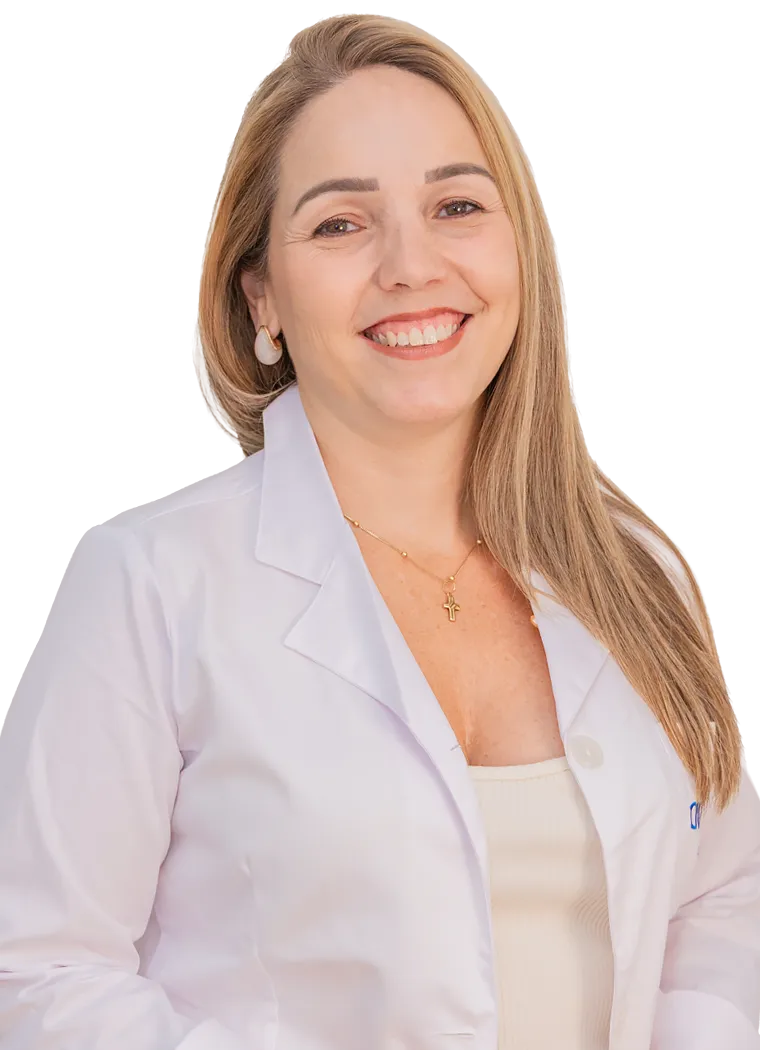
Dr Marianna Lou
- Physiotherapist specialising in oncology, lymphoedema, compression therapy and dermatological physiotherapy.
- She holds a degree in Physiotherapy from Gama Filho University, Rio de Janeiro.
- She holds a Master’s and a PhD in Bioethics and Public Health from the Federal University of Fluminense (Brazil).
- She is a postgraduate lecturer, trainer and speaker at national and international events.


Specialist
in Physiotherapy and Lipedema
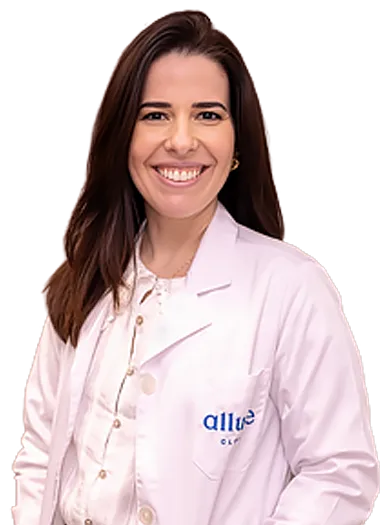
Dr. Beatriz Barbosa
- Specialist in Dermatofunctional Physiotherapy
- Bachelor's degree in Physiotherapy from CESPU (Famalicão)
- She has experience working with patients in the postoperative period of plastic surgery, in the treatment of venous and lymphatic disorders, including the conservative management of lipedema and lymphedema.

Specialist
in Physiotherapy and Lipedema
Dr Tatiana Carrasco
- Specialist in Dermatofunctional Physiotherapy
- Degree in Physiotherapy from Estácio de Sá University (Brazil)
- She has a degree in Physiotherapy in Women's Health, with a focus on Urogynaecological Physiotherapy.
- MBA in Management of Clinics and Practices
 English (UK)